
Step 1: Understand the difference between "psychologist" and "psychotherapist"
Before diving into the details, it is important to distinguish between:
Psychologist: a professional who studies human behaviour, analyses, observes and assesses it, and may advise and intervene in various settings (education, work, mental health, etc.). The psychologist profession is not regulated in Luxembourg.
Psychotherapist: a professional who uses recognised therapeutic methods to treat mental disorders (in adults, children, etc.). It is a regulated profession. To practise as a psychotherapist, you need an authorisation issued by the Ministry of Health.
Becoming a psychologist is therefore more flexible (fewer legal barriers), but to perform certain functions (particularly those falling under psychotherapy), you will need to meet additional requirements.
Step 2: The studies required to become a psychologist
A) In Luxembourg
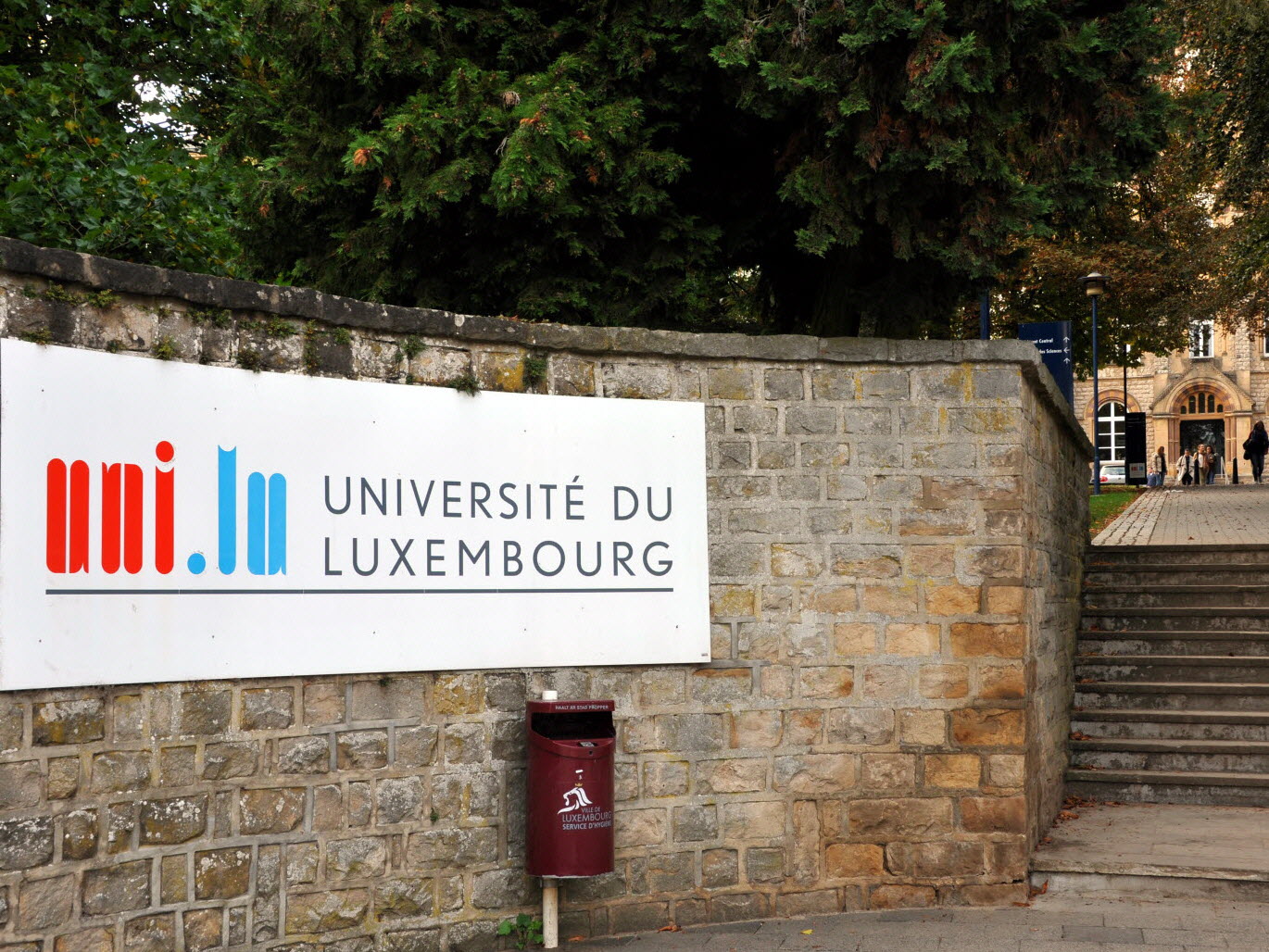
The University of Luxembourg offers a Bachelor in Psychology (3 years / 180 ECTS).
Followed by a Master in Psychology (2 years / 120 ECTS). mengstudien.public.lu
Languages of instruction: generally a mix of Luxembourg's official languages (German, French, English). The Bachelor's programme uses DE + FR + EN.
B) Studying abroad
Many people choose to do their Master in Psychology in other European countries. This is possible, but the degree must be recognised or meet the criteria for professional recognition, especially if the aim is to become a psychotherapist. mengstudien.public.lu
Step 3: Admission requirements
For the Bachelor: you need a secondary-school leaving diploma or equivalent. If this diploma is not from Luxembourg, an equivalence may be required.
- For non-EU students, there are specific application deadlines.
- Good language skills: proficiency in several languages (French, German, English) is required depending on the programme. For example, Bachelor courses are taught in all three languages.
Step 4: Graduate and specialise
Complete the Bachelor + Master in Psychology. For certain positions or specialisations (particularly clinical, developmental, child psychology, mental health), choose an appropriate Master.
If you want to become a psychotherapist: you will need a Master in Clinical Psychology or equivalent, or a basic medical degree. This is followed by additional training in psychotherapy (with supervised placements, clinical hours, etc.). mengstudien.public.lu
Step 5: Recognition of qualifications
If the degree is from Luxembourg, it is automatically recognised for practising as a psychologist, but for certain roles in the public sector or to become a psychotherapist, further steps may be required.
If the degree was obtained abroad:
- Apply for professional recognition of your qualifications from Luxembourg's Ministère de la Recherche et de l'Enseignement Supérieur (MESR) (Ministry of Higher Education and Research).
- If necessary, complete compensation measures: an adaptation period or an aptitude test to make up for differences in training.
Step 6: Authorisation to practise as a psychotherapist
To practise as a psychotherapist, you must obtain an authorisation to practise from the Ministry of Health and Social Security. mesr.gouvernement.lu2mengstudien.public.lu
Main requirements:
- Hold the required degree (as described: Master in Clinical Psychology or a recognised equivalent, or medical training).
- Have completed recognised psychotherapy training.
- Supervised clinical practice hours: for example, 500 hours for some programmes.
- Checks on good character and integrity, and good physical and mental health.
- Language proficiency: at least French or German (B2 level), sometimes several languages depending on the training (three languages for some psychotherapy programmes at the University of Luxembourg).

Step 7: Registration and professional activities
Although not all aspects of the psychologist profession are regulated, registration in the Registre national des titres de formation (national register of qualifications, MESR) is required in several cases, notably to work in the public sector or certain institutions, or to be recognised by private employers.
Membership of the Société Luxembourgeoise de Psychologie (SLP):
Allows you to hold the title of "active member" and to be recognised as a certified psychologist through validation of your degrees. slp.lu
There are criteria: a complete degree (at least 300 ECTS) (Bachelor + Master) in psychology.
Step 8: A good level of language proficiency
Luxembourg has three administrative languages (French, German, Luxembourgish). Proficiency in French or German (B2 level) is often required. Some programmes also require English.
For certain public-sector roles, knowledge of at least two of the official languages is an asset, or even a requirement.
Step 9: Professional practice and career prospects
After obtaining the Master and, if needed, the authorisation to practise as a psychotherapist, a psychologist can work in private practice, in public or private institutions, hospitals, mental health centres, schools, research, occupational psychology, etc.
In the private sector, employers may require registration, accreditation or SLP membership. This can affect recognition by patients, trust, and so on.
Step 10: The pathway in summary
Here is the typical path:
- Obtain a secondary-school leaving diploma (baccalaureate equivalent).
- Enrol in a Bachelor in Psychology (3 years, 180 ECTS).
- Continue with a Master in Psychology (2 years, 120 ECTS), ideally with a relevant specialisation (clinical, developmental, etc.).
- If your goal is psychotherapy: complete recognised psychotherapy training + supervised clinical hours (500 h or as required by the programme).
- If you hold a foreign degree: have your qualifications recognised by the MESR + complete compensation measures if required.
- Obtain the authorisation to practise psychotherapy from the Ministry of Health.
- Register in the Register of qualifications if necessary, and join the SLP for credibility and visibility.
- Master the required languages.
Practical information & costs
University registration fees: For example, €400 per semester for the Bachelor at the University of Luxembourg.
Application deadlines: for the Bachelor, the application period typically runs from early February to the end of June for EU students, and earlier for non-EU students.
Total duration: around 5 years (Bachelor + Master) if all goes well, plus possibly additional supervision/clinical hours for psychotherapy.
Possible obstacles / points to watch
Not all Masters in Psychology automatically give access to psychotherapy. You need to check that the Master is recognised for this purpose. mengstudien.public.lu
Foreign degrees: check in advance that the programme meets Luxembourg's expectations, and that it is possible to have your degree recognised + any compensation measures.
Languages: underestimating the language requirements can cause problems (courses, communication with patients, documentation, etc.).
Authorisation to practise: without it, you cannot legally practise psychotherapy.