
Step 1: Why digitalise your medical practice?
The digitalisation of the medical sector in Luxembourg is now well under way. According to an article in the specialist journal, "the digitalisation of the medical sector is no longer science fiction. It has become part of everyday life, for practitioners as well as for patients and public health stakeholders". medinlux.lu In addition, Luxembourg's Caisse nationale de santé (CNS) has launched a gradual process making the digital transmission of forms mandatory for doctors and dentists from July 2025.
The benefits for a medical practice:
- time saved on administration (billing, fee statements, prescriptions)
- better traceability and security of patient data
- compliance with legal and contractual digitalisation requirements
- a better patient experience and better collaboration between healthcare professionals
Step 2: Know the obligations in Luxembourg
To digitalise in full compliance, here are the main points to know for 2025 and beyond:
From July 2025, the digital transmission of fee statements (mémoires d'honoraires) is gradually becoming mandatory.
The obligation will then cover other forms (sick-leave certificates, prescriptions, quotes) in 2026-2027.
Luxembourg is also part of the European framework, with the launch of the European Health Data Space (EHDS) announced in March 2025, which is gradually affecting data interoperability requirements.
We recommend making sure your software vendor is certified or compatible with the web services and platforms that have been put in place (for example via the "eConnector" tool provided by the CNS).
Step 3: Audit your practice and set priorities
Before you start, audit your practice to identify weak points and priority areas:
- your current management software: is it compatible with Luxembourg's digital transmission standards?
- patient records: are they digitised/compatible with a secure platform, or are you still working mostly on paper?
- billing and fee statements: are you already using a digital system or a manual one?
- calendar / appointment booking / teleconsultation: what are your current practices?
- team training and skills: are all your staff aware of what digitalisation involves?

Step 4: Choose the right software tools
Digitalisation depends on choosing the right practice management software. Here are some criteria and a concrete Luxembourg example:
Criteria to check:
- compatibility with CNS and eHealth requirements (digital fee statements, PID, etc.)
- modules for patient management, medical records, billing, calendar and prescriptions
- ease of use & support in French/German/English (languages used in Luxembourg)
- interoperability & data export
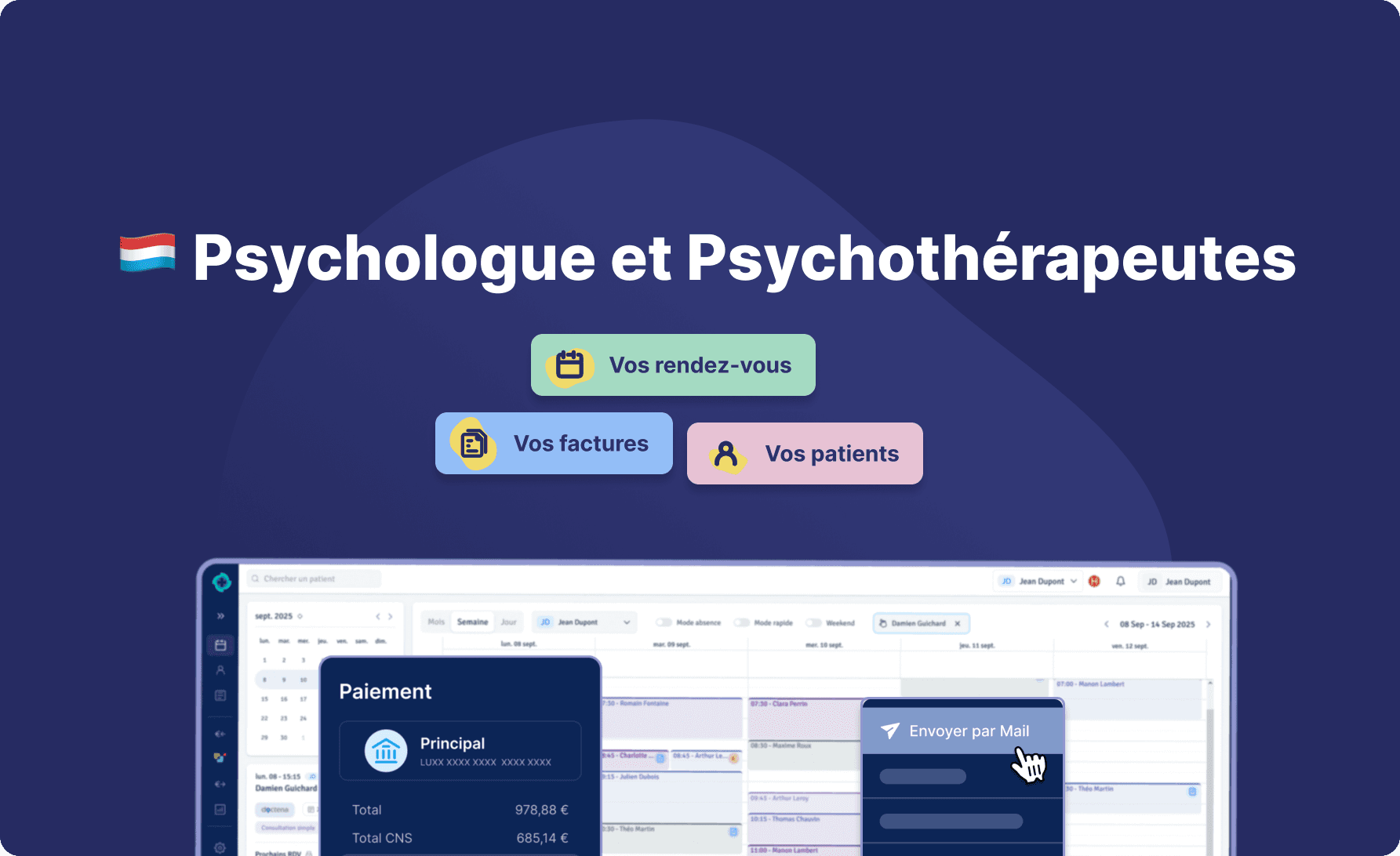
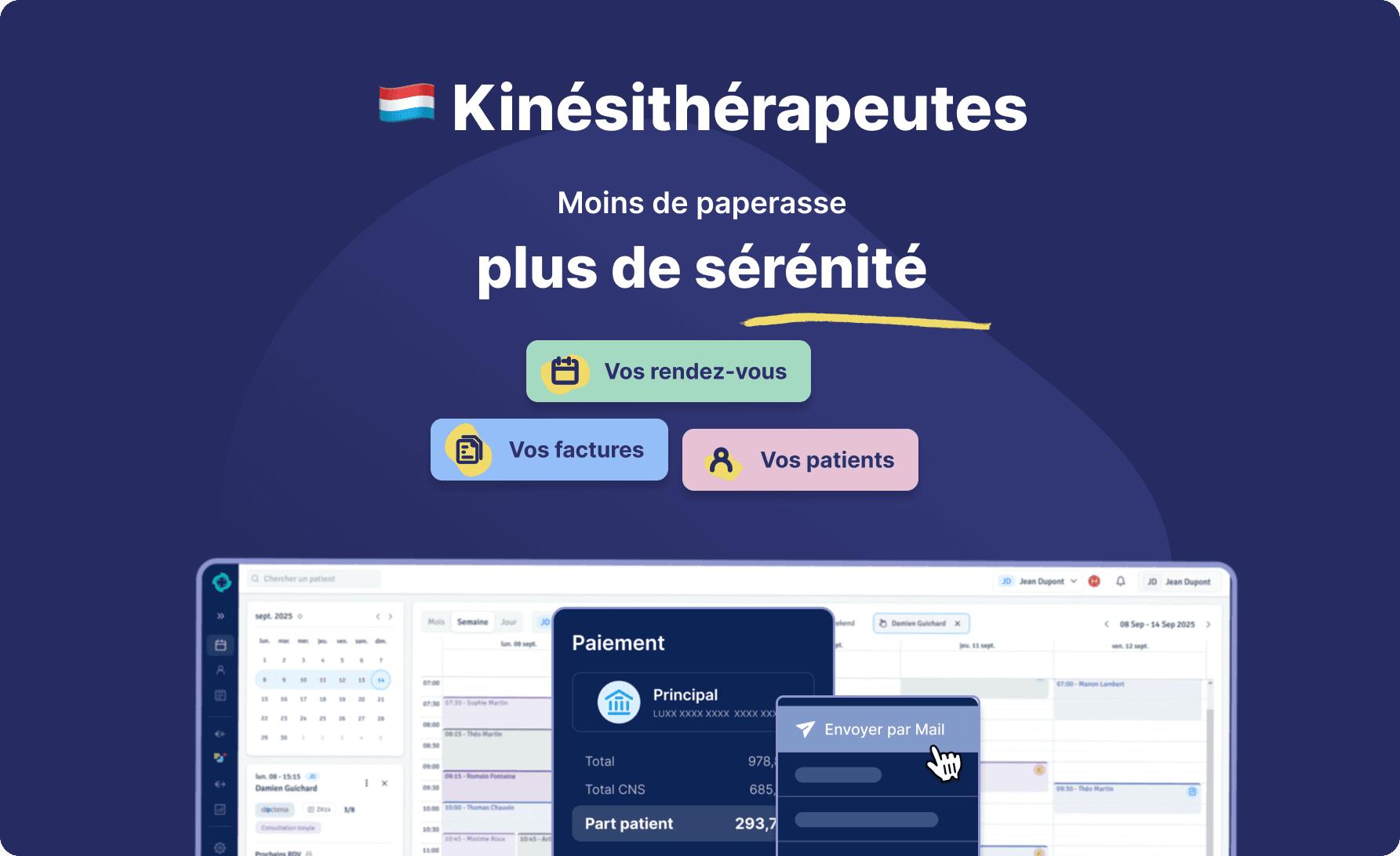
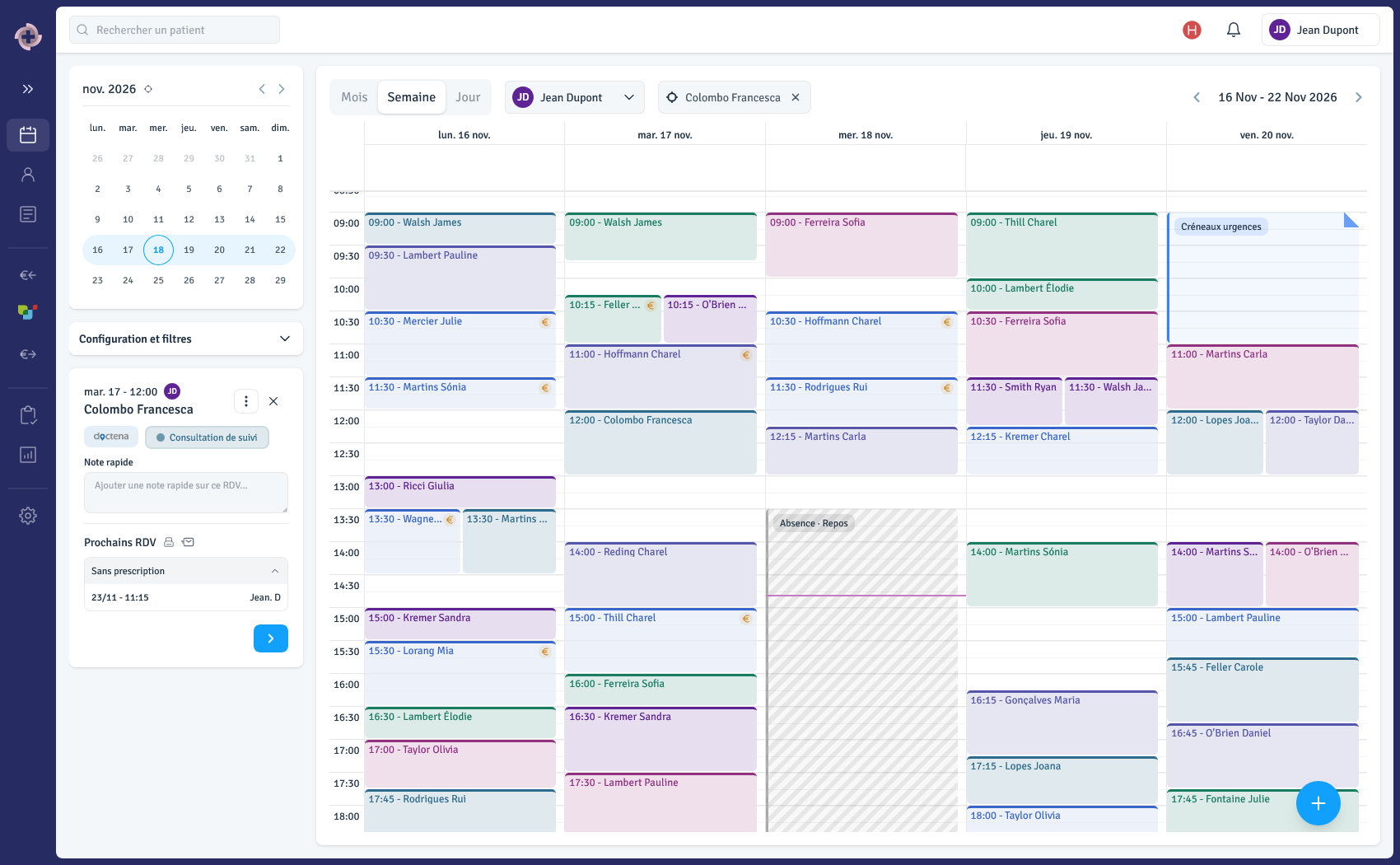
Example: Logicare, a solution developed in Luxembourg, enables healthcare professionals to run their practice entirely digitally — patient records, CNS billing, calendar and GDPR compliance all on a single platform.
Step 5: Implement digitalisation step by step
Here is a typical action plan for digitalising your practice:
- Software update: contact your vendor to make sure the software is certified or compatible with upcoming digital obligations (digital fee statements, PID, eCIT).
- Digitising patient records: scan and index existing paper records, switch to digital entry for new patients, and define a digital workflow.
- Calendar & online appointment booking: offer appointment booking through a patient portal if possible, which improves the experience and reduces administrative work.
- Digital billing / fee statements: set up your billing so that it is compatible with digital exchange and digital reimbursement via the CNS.
- Team training: organise internal sessions to familiarise staff with the new tools, digital workflows and confidentiality obligations.
- Monitoring & optimisation: measure the gains (time, errors, patient satisfaction) and adjust processes (e.g. automation, workflows, integration with other systems).
Step 6: Benefits & return on investment
What are the concrete gains?
- less time spent on data entry and fewer administrative errors
- better visibility of the practice's activity (statistics, invoice tracking, ratios)
- faster access to patient data and better coordination with other healthcare professionals
- legal compliance and reduced risks linked to outdated paper-based management
- a stronger image for your practice (modern patient base, innovative image)
Step 7: Obstacles to anticipate
A few points to watch out for:
- resistance to change: some staff may be reluctant to give up paper, so plan for support.
- initial cost: software update, digitisation, secure hosting, training = a budget to plan for.
- compatibility: not all modules are always available or certified, so you need to make sure you are compliant.
- legal deadlines: digital transmission is gradually becoming mandatory, so plan ahead to avoid falling behind (e.g. the upcoming 2026-2027 obligation for certain forms)
Step 8: Practical information and costs
The cost depends heavily on the size of the practice, the tools chosen and the extent of digitisation required.
Be sure to ask your vendor whether there is any financial aid or subsidy for the digital upgrade (the CNS/Agence eSanté has set up a compliance support scheme).
Mind the timeline: although some elements will only become mandatory in 2026-2027, anticipating gives you an advantage in terms of organisation and image.
Points to watch
Make sure your software vendor is certified or on track to comply with the digital transmissions required by the CNS.
Do not underestimate the need for training and cultural change in your practice.
Keep a close eye on developments in national and European regulations (e.g. EHDS, interoperability, AI in healthcare).
Check that your infrastructure (hardware, internet connection, backups) is up to standard to support digital use.